
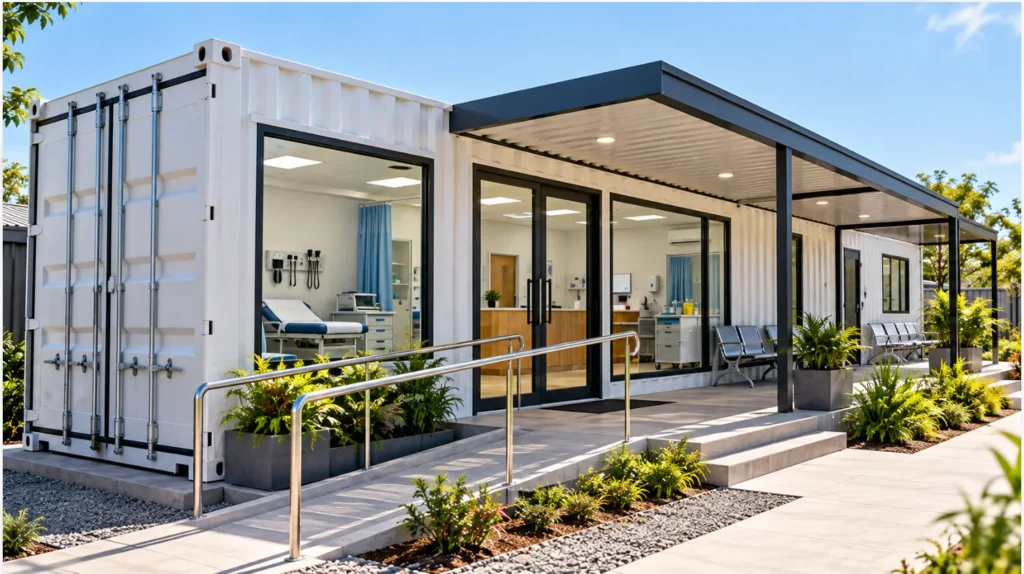
Shipping containers are no longer limited to transporting goods across oceans. Today, they offer exciting possibilities for businesses, entrepreneurs, and individuals looking for practical, flexible, and innovative space solutions.
Across Tanzania, shipping containers can be transformed into offices, retail shops, homes, restaurants, and many other functional spaces. Their durable steel structures, modular design, and adaptability make them an interesting alternative to conventional construction for certain applications.
Whether you are starting a business, expanding your operations, or developing a unique property, container conversions offer opportunities worth exploring.
Here are 10 creative ways to repurpose shipping containers in Tanzania.
1. Modern Container Offices
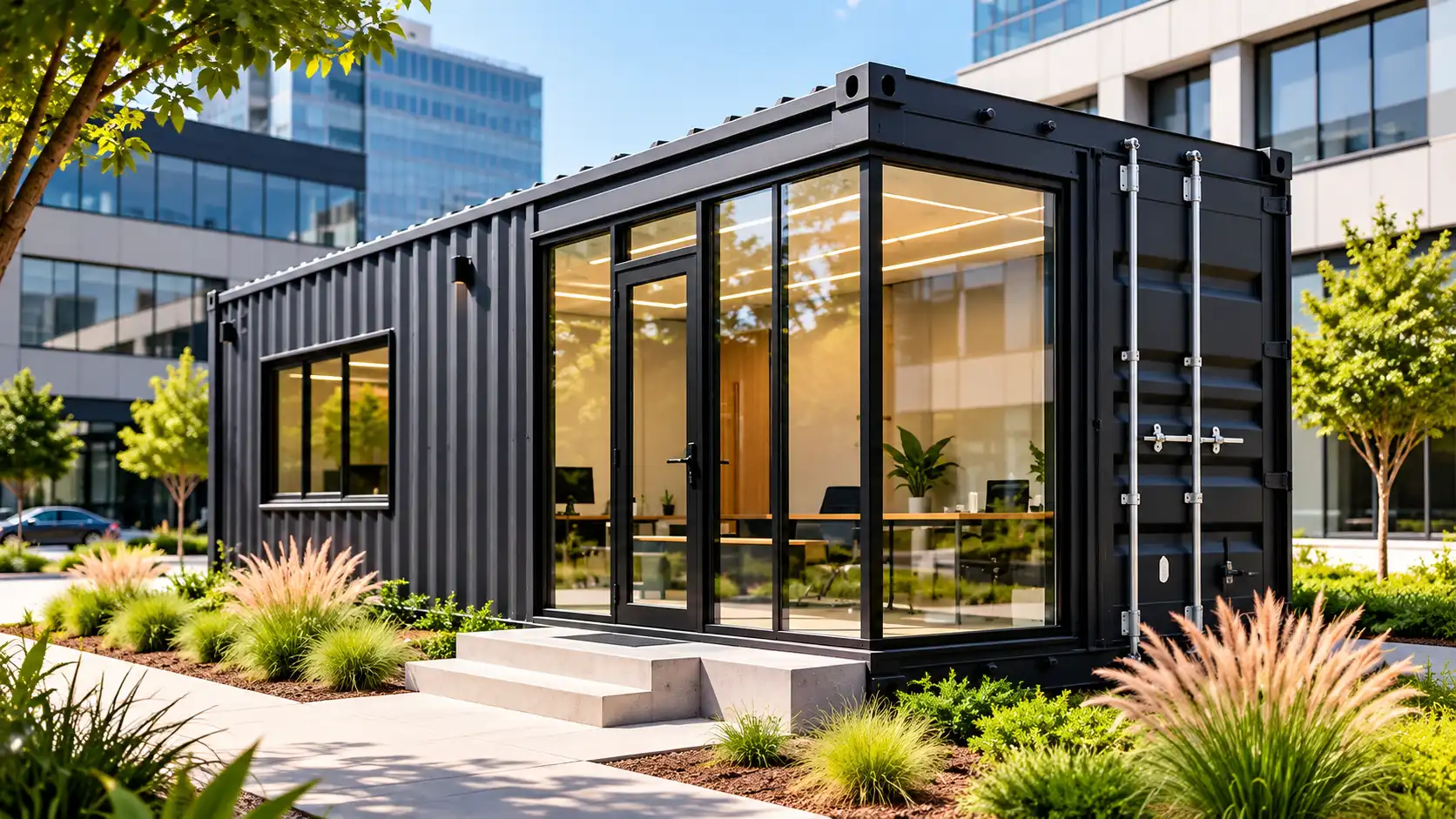
Shipping container offices are a practical solution for businesses that need functional working spaces without constructing an entirely conventional office building.
They are particularly useful for construction companies, logistics businesses, mining operations, and organizations working at temporary or remote project sites.
With appropriate modifications, a standard shipping container can be transformed into a comfortable workspace featuring:
- Insulated walls and ceilings
- Air conditioning and ventilation
- Electrical installations and lighting
- Office desks and meeting areas
- Windows and secure entrance doors
Container offices can also be designed as single units or combined to create larger working environments.
Ideal for: Construction sites, project offices, security offices, and remote business operations.
2. Shipping Container Homes
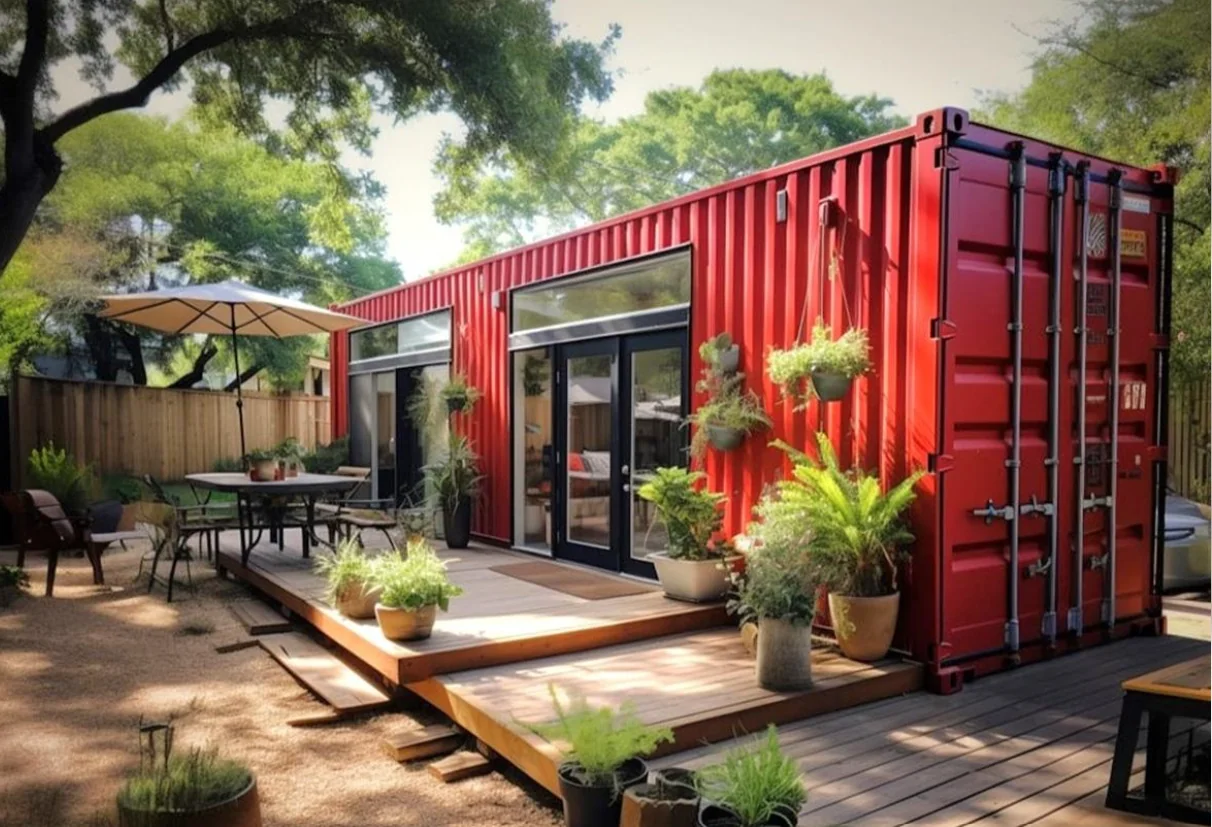
Imagine transforming a shipping container into a modern, functional living space.
Container homes offer a creative approach to residential development, particularly for individuals interested in modular architecture and compact living.
Depending on the design, a converted container can accommodate bedrooms, a living area, a kitchenette, and bathroom facilities.
Multiple containers can also be connected to create larger residential layouts, provided the structural modifications are professionally designed.
The final cost and comfort depend on insulation, finishes, plumbing, electrical installations, site preparation, and the complexity of the design.
Ideal for: Private residences, guesthouses, holiday homes, and accommodation projects.
3. Container Cafés and Restaurants
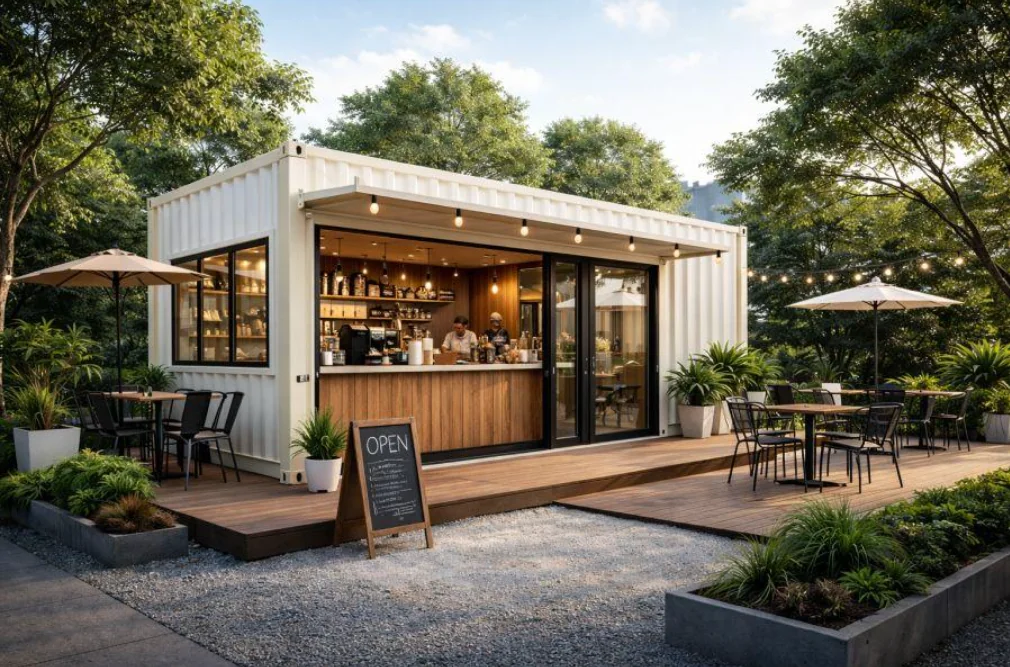
For entrepreneurs planning to enter the food and beverage industry, shipping containers can provide a distinctive commercial space.
A container can be converted into a coffee shop, takeaway restaurant, juice bar, or small dining establishment.
Creative exterior finishes, service windows, lighting, and outdoor seating can help create an attractive customer experience.
The compact design also encourages efficient use of available space.
Before opening, operators should plan carefully for food preparation areas, hygiene, water supply, wastewater disposal, ventilation, fire safety, and relevant business approvals.
Ideal for: Coffee shops, fast-food outlets, juice bars, and takeaway businesses.
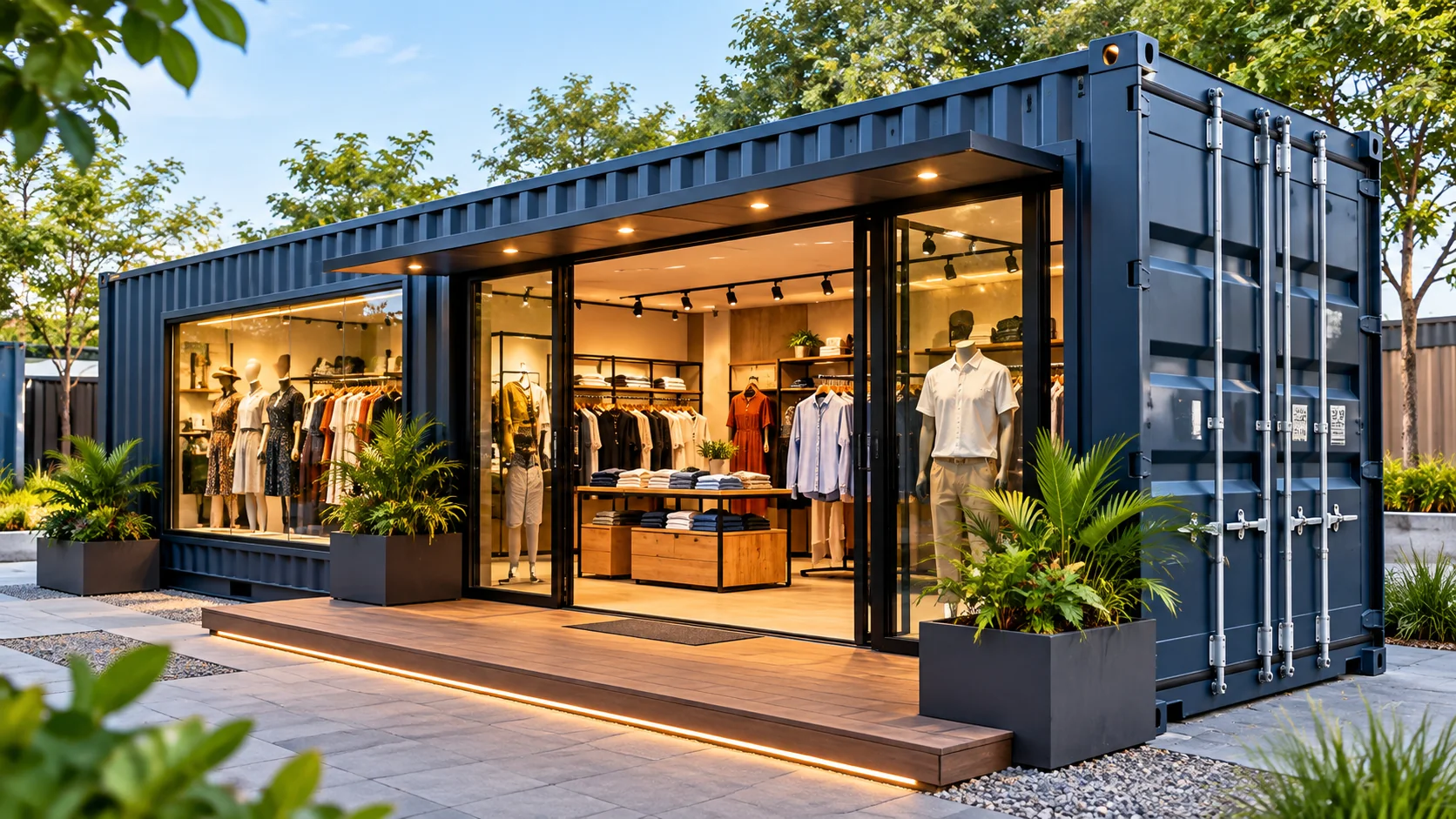
4. Retail Shops and Pop-Up Stores
Shipping containers can be transformed into stylish retail spaces that help businesses establish a physical presence.
From fashion boutiques and electronics shops to mobile showrooms and convenience stores, container shops can be adapted to different business models.
Features such as glass doors, display shelves, branded exterior panels, and modern lighting can turn a simple container into an attractive retail outlet.
For businesses testing new markets, container-based retail spaces may offer greater flexibility than some permanent building options.
Ideal for: Startups, retail businesses, exhibitions, and seasonal sales outlets.
5. Container Lodges and Campsites
Tanzania’s tourism industry creates opportunities for innovative accommodation concepts.
Shipping containers can be converted into guest rooms, eco-style cabins, campsite accommodation, and compact holiday units.
With suitable architectural planning, these structures can include comfortable sleeping areas, bathrooms, outdoor decks, and large windows that connect guests with the surrounding environment.
Container-based accommodation can be particularly interesting for developers seeking modular layouts.
However, thermal comfort, environmental impact, structural safety, and local development approvals must be considered from the beginning.
Ideal for: Tourism operators, campsite developers, guesthouse owners, and hospitality investors.

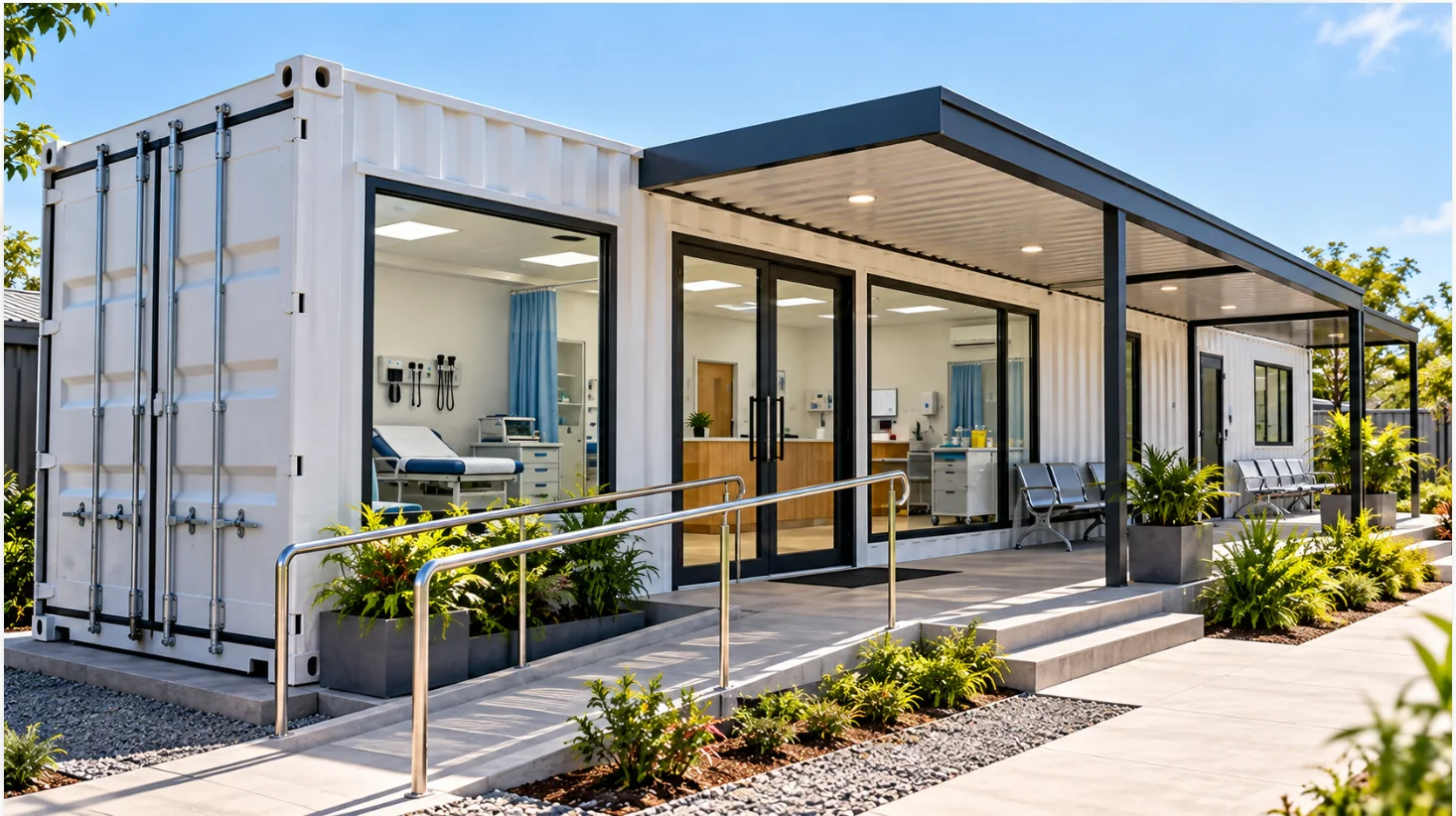
6. Mobile Clinics and Healthcare Facilities
Shipping containers can also be adapted to support healthcare delivery.
With specialized design and appropriate medical installations, they can provide spaces for consultations, basic examinations, health screening, or medical outreach services.
A container-based healthcare facility may be useful in locations where a permanent building is not immediately available.
Such conversions require careful consideration of hygiene, accessibility, temperature control, water supply, waste management, and healthcare regulations.
Ideal for: Healthcare organizations, community outreach programs, and remote-site medical services.
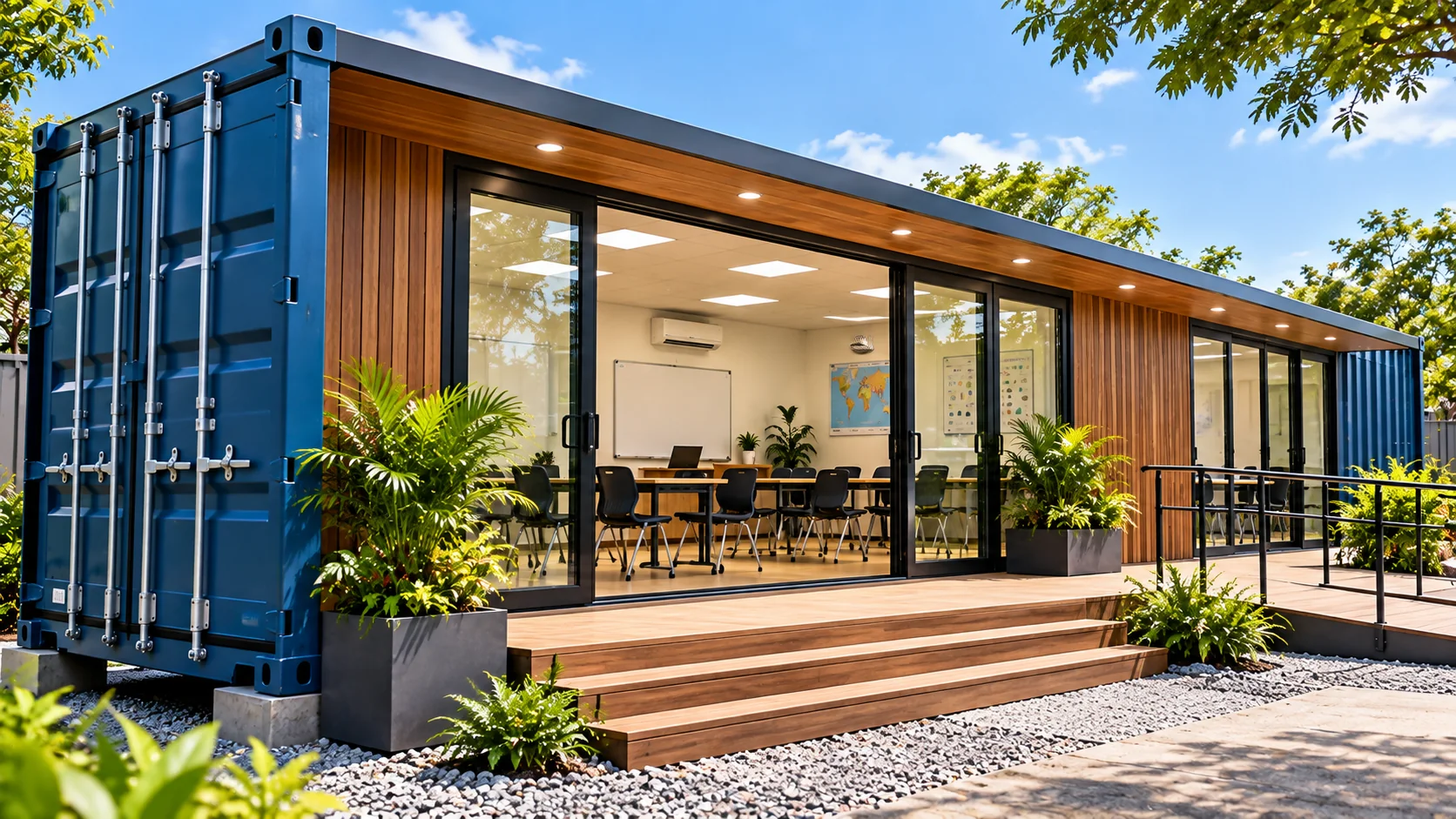
7. Container Classrooms and Training Centres
Educational institutions and organizations can explore container conversions as a way to create additional learning spaces.
A properly designed container classroom can include seating arrangements, lighting, ventilation, insulation, and electrical connections for digital learning equipment.
Containers can also be combined to develop larger training facilities or computer laboratories.
The design should prioritize adequate space, safe exits, accessibility, thermal comfort, and the applicable educational building requirements.
Ideal for: Training centres, vocational institutions, community learning projects, and temporary educational facilities.
8. Container Salons and Barbershops
For entrepreneurs in the beauty and grooming industry, shipping containers can be converted into modern salons and barbershops.
A container can accommodate barber chairs, mirrors, storage cabinets, lighting, wash stations, and waiting areas, depending on its size and layout.
Exterior branding and attractive interior finishes can help create a professional customer experience.
Proper ventilation, electrical safety, plumbing, and wastewater management are essential for a functional salon environment.
Ideal for: Barbershops, beauty salons, nail studios, and grooming businesses.

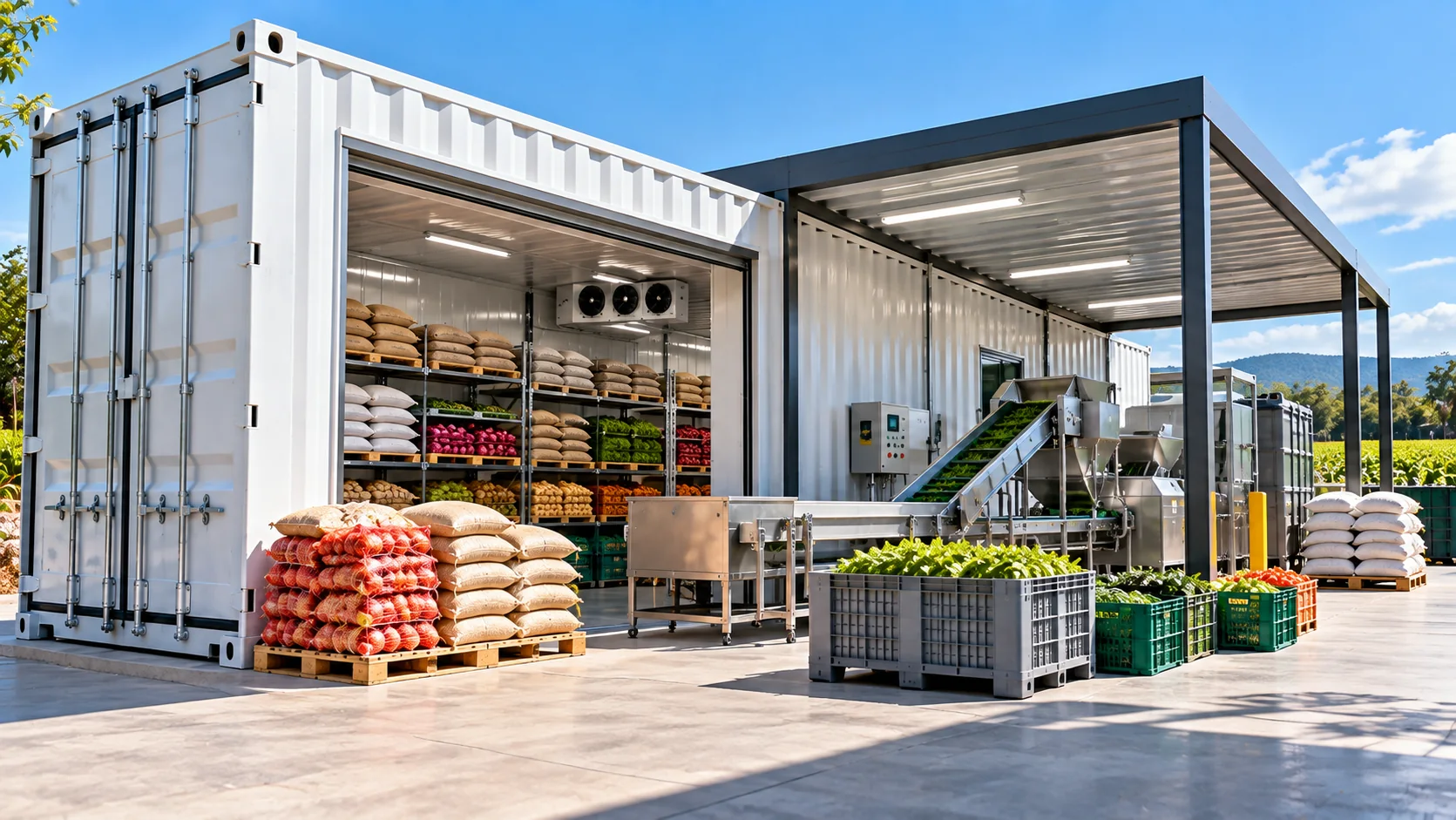
9. Agricultural Processing and Storage Facilities
Agriculture plays an important role in Tanzania’s economy, and shipping containers can support different agricultural activities.
Dry containers may be adapted for secure equipment storage, packaging operations, or selected processing activities.
Meanwhile, refrigerated containers, commonly known as reefers, can provide temperature-controlled storage for suitable agricultural products when properly configured and maintained.
These applications may help businesses organize operations and protect temperature-sensitive goods.
The right solution depends on the product, storage requirements, hygiene standards, ventilation, and available power supply.
Ideal for: Farmers, agricultural cooperatives, food processors, and produce distributors.
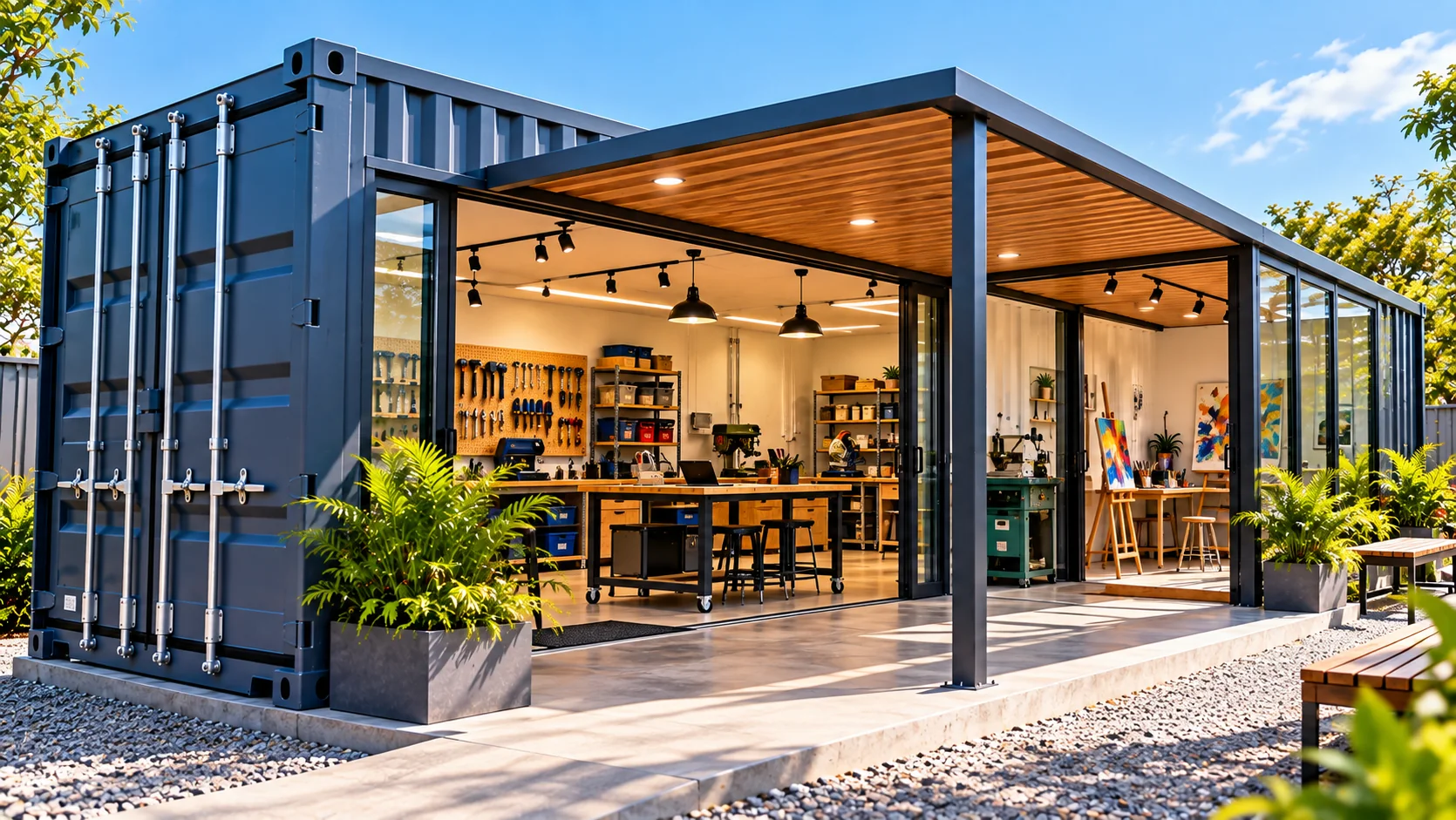
10. Container Workshops and Creative Studios
Shipping containers can be converted into workshops, photography studios, design spaces, and small creative production facilities.
Their adaptable interiors allow business owners to customize layouts according to equipment and operational requirements.
For example, a container workshop may include workbenches, tool storage, lighting, ventilation, and secure access.
Creative studios can incorporate insulation, acoustic treatments, and interior finishes to create a suitable working environment.
Businesses using heavy equipment or hazardous materials should ensure the conversion meets relevant structural, fire safety, and occupational safety requirements.
Ideal for: Artisans, photographers, designers, technicians, and small manufacturing businesses.
Why Consider Shipping Container Conversions?
Beyond their creative applications, shipping containers offer several potential advantages.
1. Versatility
Shipping containers can be adapted for residential, commercial, industrial, and institutional purposes.
2. Modular Design
Containers can be arranged individually or combined into larger structures, subject to engineering requirements.
3. Durability
Their steel construction provides a strong starting structure when the container is in suitable condition and properly maintained.
4. Flexible Development
Certain container-based structures can be relocated or expanded more easily than conventional permanent buildings, depending on their design and installations.
5. Potential Resource Reuse
Repurposing suitable existing containers can extend their useful life. However, environmental benefits depend on the materials, transport, modifications, and energy performance of the completed project.
Important Things to Consider Before Converting a Shipping Container
Before starting any container conversion project, it is important to evaluate:
- Container condition: Inspect for corrosion, structural damage, water leaks, and flooring issues.
- Container size: Choose between 20ft, 40ft, or 40ft High Cube options based on the intended layout.
- Insulation and ventilation: Plan for Tanzania’s warm climate and the comfort requirements of the finished space.
- Structural modifications: Doors, windows, and large openings may require additional reinforcement.
- Utilities: Consider electricity, water supply, drainage, and air conditioning.
- Site preparation: Ensure the ground and supporting foundations are suitable.
- Approvals and compliance: Confirm applicable planning, building, fire safety, and business requirements before construction.
Careful planning helps ensure that a container conversion is practical, safe, and appropriate for its intended purpose.
Start Your Container Conversion Journey with Harlos Containers
A shipping container can be much more than a storage or transportation unit. With the right vision and professional planning, it can become the foundation of an innovative business or property project.
At Harlos Containers, we understand that every customer has different requirements. Whether you are considering a container office, retail shop, accommodation unit, or another creative application, choosing the right container is an important first step.
Explore our shipping container options and discover the possibilities for your next project.
Ready to bring your container project to life?
Contact Harlos Containers to discuss your container requirements and take the first step toward your next project.
Harlos Containers , Go Beyond.